XCOPY and the Absence of Consolation
There is a temptation, when documenting an artist at scale, to smooth the work into meaning. To turn repetition into signature, despair into style… unease into historical inevitability. Canonisation loves closure.
XCOPY refuses it.
What XCOPY has produced over more than a decade is not a warning, a prophecy, or even a critique in the usual sense. It is closer to a continuous diagnostic signal: a visual hum generated by a culture that has learned to metabolise catastrophe without pause. These images do not ask to be understood. They do not persuade. They do not offer exits. They simply persist.
Persistence is the point.
Unlike most art that engages death, collapse, or technological anxiety, XCOPY’s work is almost entirely devoid of transcendence. There is no afterlife here, no rebirth, no dialectical turn towards hope. Death is not symbolic; it is administrative. Violence is not shocking; it is ambient. Capitalism is not critiqued from the outside; it appears as an operating system that no longer needs belief to function.

This is why repetition matters… but not in the way we usually think.
The skulls, the slogans, the flicker are not motifs evolving towards refinement. They are signs of acclimatisation. Each iteration does not deepen meaning so much as thin its electrical charge, the way a battery drains or a society grows numb. The work itself does not get weaker; our nervous systems do.
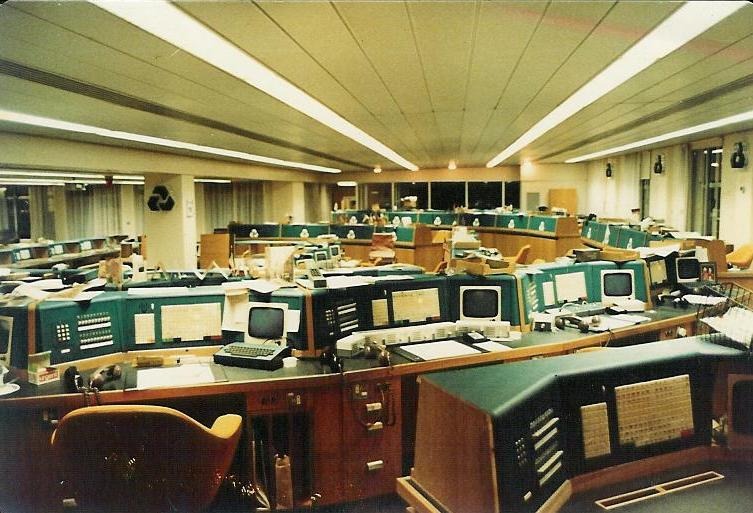

Over time, the images begin to behave less like artworks and more like interface elements: notifications that cannot be dismissed, error messages that never resolve, alerts for a civilisation that refuses to log off. XCOPY is less a painter of apocalypse than a designer of the UX of the end times.
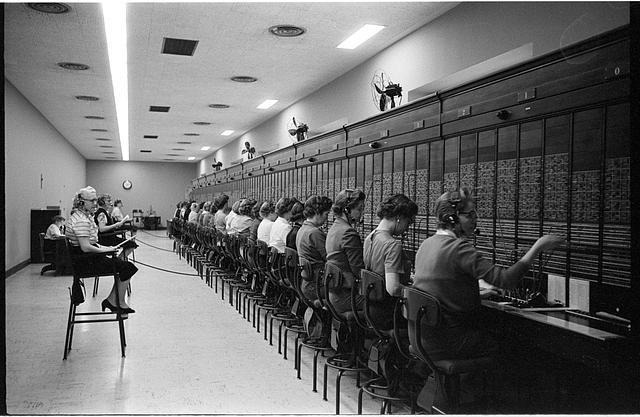
In that sense, he does not aestheticise despair... He bureaucratises it. He renders catastrophe as routine, clerical, and frictionless. Something you scroll past rather than confront. The horror is not that the world is ending, but that it feels manageable enough to keep working through.
This makes XCOPY less prophetic than diagnostic. His work does not depict collapse; it documents our ability to live inside it without noticing.
Anonymity is crucial here, and it is not mere mystique. It is structural. If we knew the man, we could blame the mood. We could psychologise the images as symptoms of a “troubled genius,” and in doing so, we would regain comfort. Biography would become consolation.
XCOPY denies that exit.
Without a face, the work cannot be humanised or softened by narrative. There is no personal arc to redeem the images, no backstory that makes them safe. The absence of the artist mirrors the absence of moral closure in the work itself. We are forced to treat the images not as expressions of an individual psyche, but as symptoms of a system.
That shift is political, whether the artist intends it or not.
Yet the strangest tension in this story is not in the images, but in their survival. Much of XCOPY’s output persists today not because it was built to endure, but because collectors, platforms, and archivists refused to let it disappear. Dead marketplaces, broken contracts, lost editions… the archaeology recorded in this book reveals a fragility that cuts against the aura of inevitability now attached to the work.
XCOPY’s art often suggests a world where systems fail silently and irreversibly. And yet, this book exists precisely because people refused to accept that failure as final.
That contradiction is not a flaw. It is the most honest part of the story.
To collect XCOPY is not simply to acquire an object. It is to become infrastructure for meaning that the work itself does not promise. The collectors are not merely investors or fans; they are a kind of life support system, keeping alive an art that seems perpetually on the brink of vanishing.
In that sense, the collectors are not a market phenomenon. They are a caretaking technology, born out of anxiety that the very culture the art depicts might erase it.
Which brings us to the book itself.
There is something quietly unsettling about turning flickering nihilism into a coffee table artefact. Print stabilises what was never meant to rest. Paper fixes what once refused stillness. A luxury object tames images that thrive on instability.
But perhaps that discomfort is the point. If this book merely beautified XCOPY, it would betray him. Instead, it performs the same paradox as the work: preservation that feels like a form of resistance against a world that keeps disintegrating.
The final tension is this: preservation is always an act of hope… even when the art offers none. We keep the record not because we believe in redemption, but because we refuse disappearance.
If this book succeeds, it will not resolve that tension. It will leave it humming between page and pixel.
And that may be the most faithful gesture possible.