XCOPY and the Memes
“IMHO, XCOPY is the most important memetic warrior in the NFT universe right now.”
The revolution of how art is created, stored, and proliferated in the anarchic, disintermediated context of the blockchain, is perhaps non-obvious to the casual observer. What is obvious to anyone with a slight familiarity of this “space” however, is that the anonymous artist known as XCOPY can be found at the heart of it. The allure of XCOPY’s distorted loops is born out of an intersection of opposites. They hypnotise and exorcise. They meet at the junction of despair and hopefulness. They don’t make a claim, for or against anything. They are full of apathy and passion, and they continue to stand out as one of the most striking and culturally significant examples of blockchain art.
Amongst the strongest drivers of this seductiveness is XCOPY’s use of memes. That memes are baked into XCOPY’s creative genes is already evident from his choice of pseudonym. Originally a DOS computing command, it is either used to copy files from and to a specific location, or for copying files across a network.
The word “meme”, has its etymological roots in the Greek mimeme, literally meaning “to imitate”. In the context of internet meme culture, a meme represents an idea, behaviour or style that becomes disseminated via social media platforms. Memetic value is driven by network users, with memes serving as a universal form of mutual digital expression. XCOPY experimented with this idea many years before the advent of blockchain art, by engaging with followers on his Tumblr account, an early incarnation of a social network/blog. Tumblr was one of the very first platforms where the phenomenon of images going “viral” could be experienced on the internet.
The concept of memes has been widely used as a basis for discussing how ideas and cultural phenomena are distributed. Sometimes this occurs with the explicit aim of achieving cooperation and organisation amongst a group of people, but at other times it has no other purpose than living a completely autonomous existence, solely perpetuated by mimicry and/or remixed repetitive use. Regardless of the intention behind the meme, what they all have in common is the establishment of a participatory culture where people explore meaning, often in a dynamic and fluid manner.
With the arrival of the decentralised blockchain, the meme became linked to an irrevocable, permanent record in the form of a unique token, thereby creating a collectable digital asset. This asset becomes at once open to public inquiry and at the same time capable of reshaping online digital culture. Tokenisation here does not just serve as a proof of ownership. Instead, it is also a genealogical tool that verifies authenticity as it passes from one hand to the next. It provides reliable provenance, price transparency, as well as an opportunity for artists to connect to groups and sub-groups of online consumers, collectors, and perpetuators of memetic content. In short, it becomes a tool for people to form communities, to trust each other and to establish mutually agreed ideas about value. It does away with relying on third parties for verification and no longer requires us to look at institutions to ascertain what holds cultural significance and what should be conserved.
The cascade of copies and derivatives, sometimes by well-known artists, bear witness to the impact not only of XCOPY’s aesthetics but also to the enduring success of his memes. Even prior to XCOPY’s decision to release his work under the creative commons licence, making it thereby legal to replicate or use any part of it for any purpose, there were few artists in the NFT world whose work was imitated to a similar extent. In the true spirit of CCO, the artist honoured these efforts with a curated selection on his own website.
Burning established ownership rights models might seem to be a counterintuitive act, especially for one of the highest selling NFT artists on record. However, viewed against the backdrop of the right-click-save-as guy, perhaps XCOPY’s most powerful and effective meme epitomising the digital art revolution, it makes perfect sense.
If ownership and authenticity can be confirmed without a shadow of doubt through tokenisation, why not encourage the work to be seen and used by as many people as possible? Democratising digital creative content in this way, allows for memetic potential to become truly unleashed. Culture is not fed behind the bars of trademarks and copyright. Culture wants freedom to change, and memes propagated in this way is what has created an unprecedented space for digitally produced and consumed art, uniting different tribes under the umbrella of the non-fungible token.
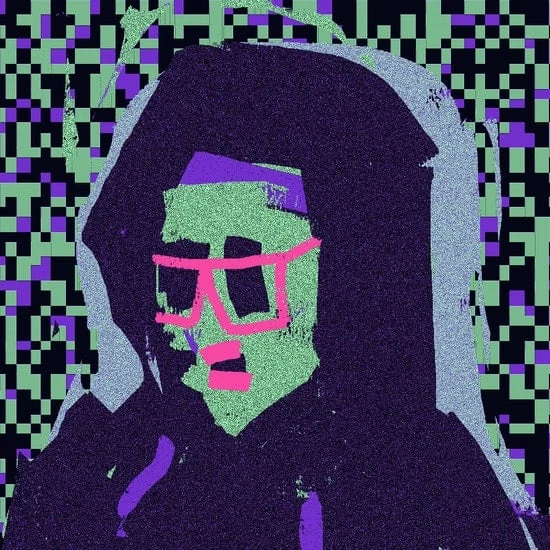
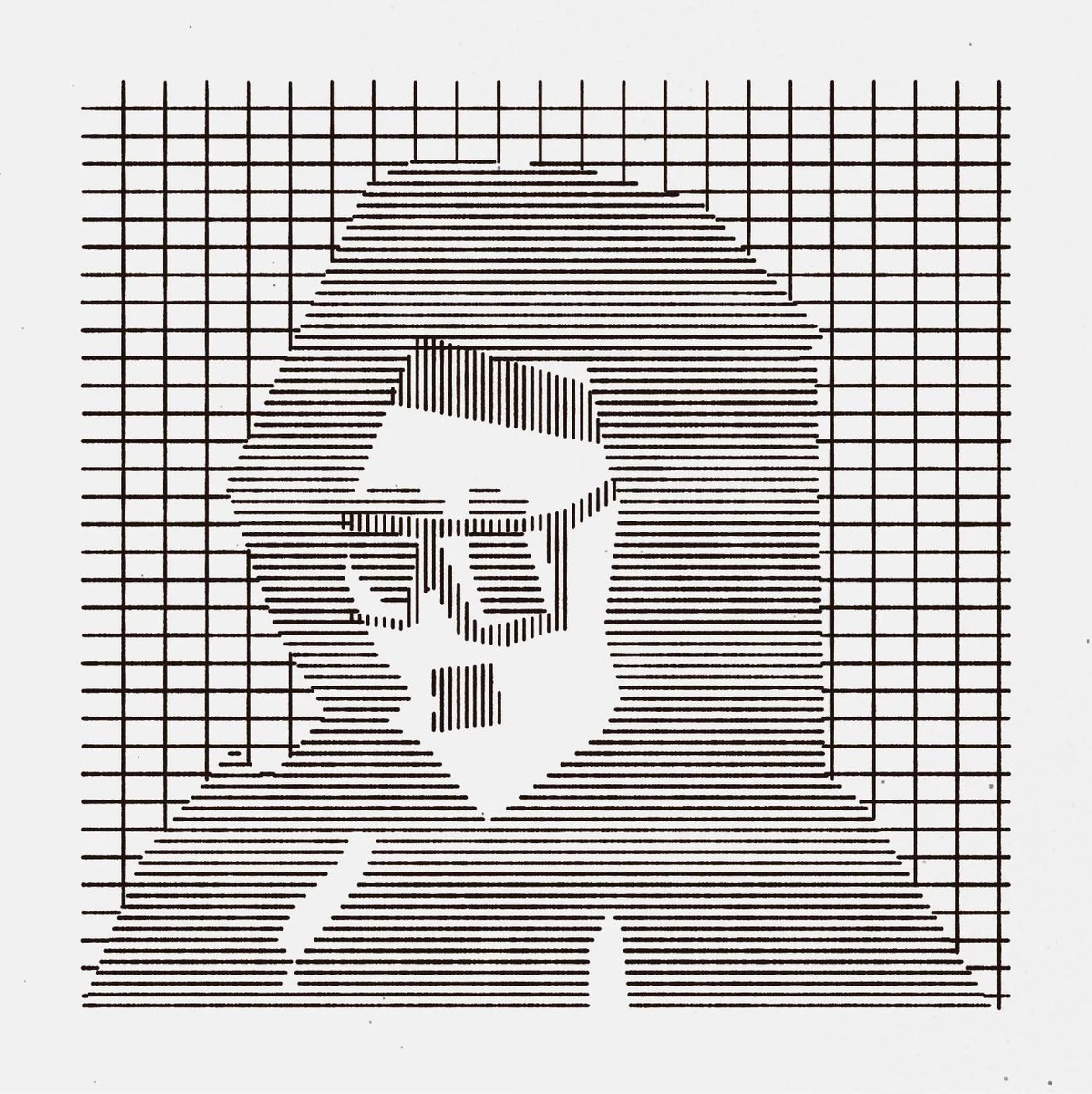
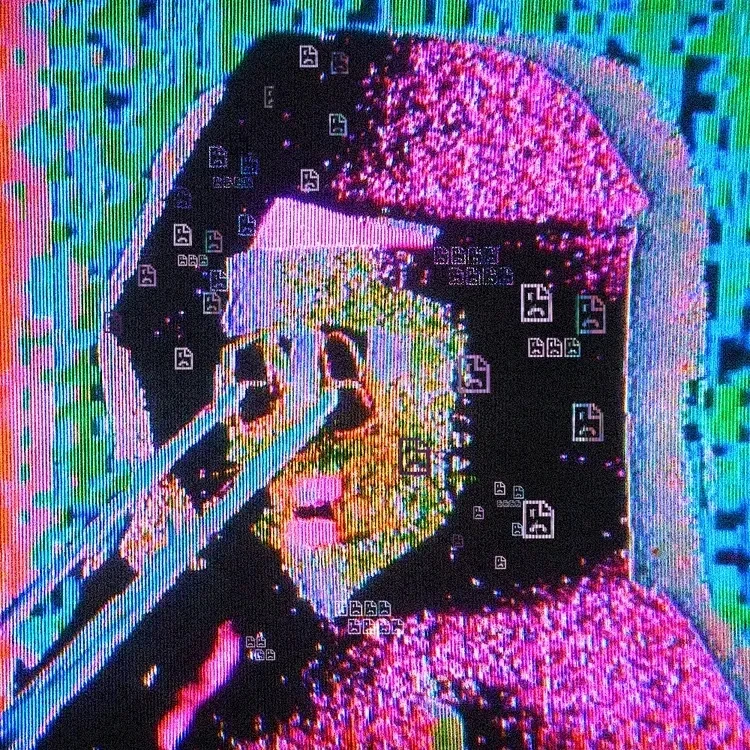
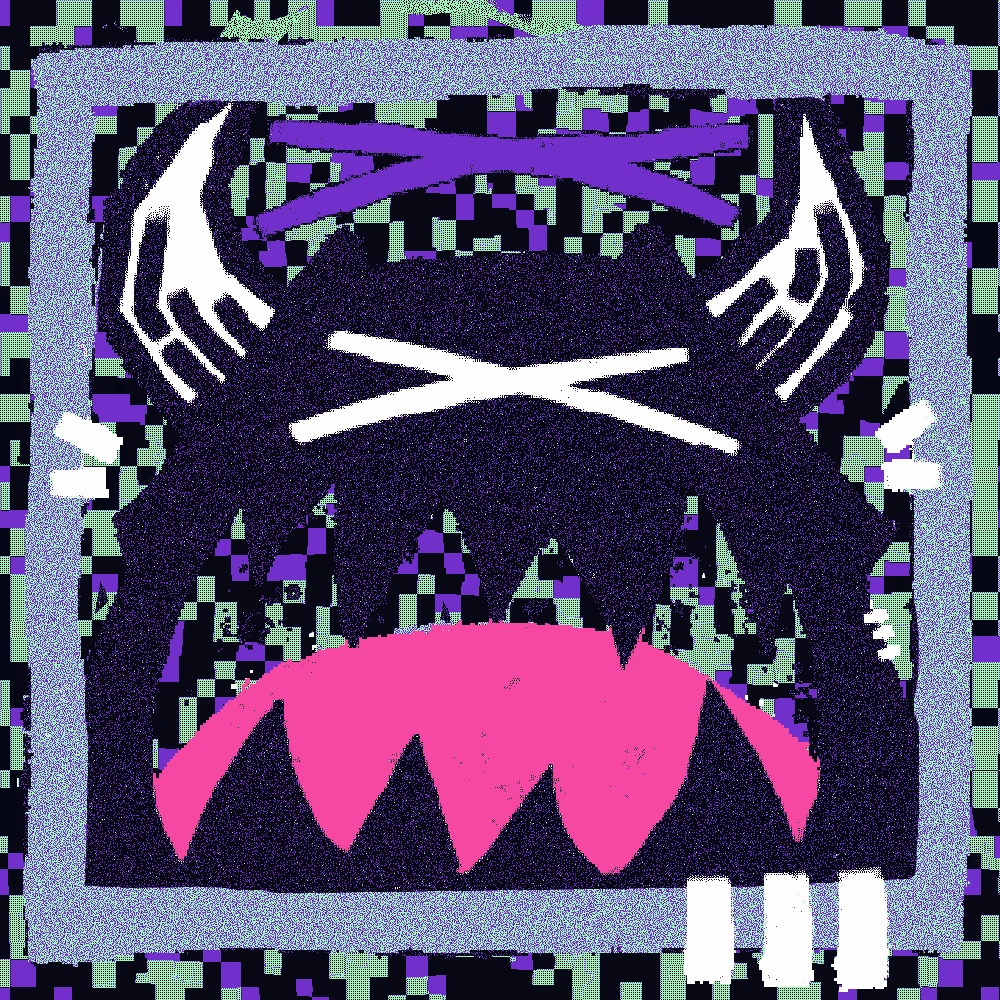
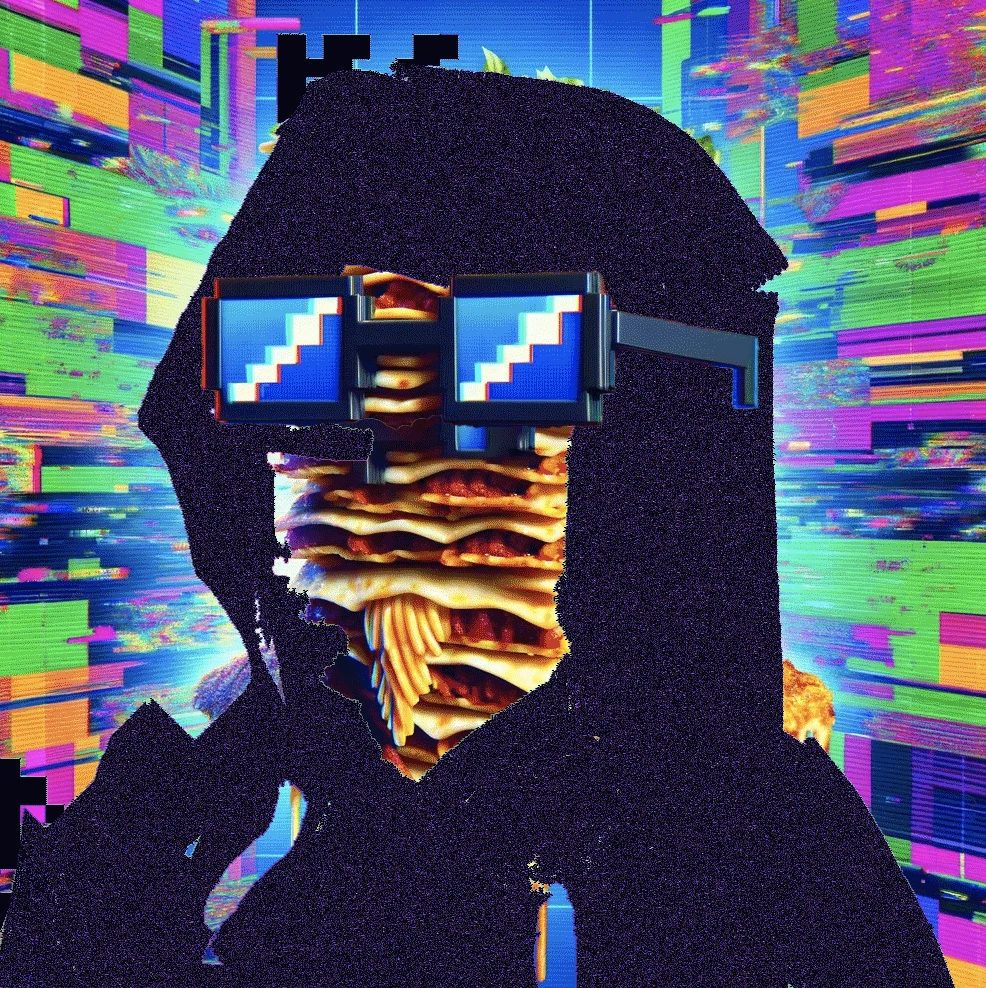
XCOPY’s brilliance lies in capturing some of the ideas that users of a highly networked society mutually believe in, while simultaneously putting them up on the stake. The artist is very explicit in his intention to supersede the primacy of the individual viewer's interpretation and appropriation of his work, over any particular definitive meaning or purpose intended by himself. Nonetheless, common cypherpunk principles around preservation of anonymity, freedom of expression and transaction and the fallacy of the idea that large, faceless, centralised organisations and governments are acting in our best interest, are frequently encountered themes. Memes used in the KO Editions examine how technology and society interact, as for instance in the context of the internet and social media (Last Selfie, Exposure, State of Us). Other memes reference the libertarian aesthetics and emotiveness of when crypto was still very much a fringe movement (No Favour, Tax Men, Hello Admin, Resist, No Future) or a tongue in cheek stab at the hyper-financialised sub-culture of NFTs (Bangers and Crash).
There is something overwhelming about viewing XCOPY’s work. We observe ourselves coming to grips with a highly disrupted, rapidly changing world. We find ourselves spinning in circles, very much like in XCOPY’s hypnotic loops. We keep coming back, only to discover that we are yet again about to be left behind by a relentless evolution, outpacing everything our cell memory has learned in the last few millennia. The artist holds the mirror to our face and says: “Take a look” without passing judgement and it is hard to look away when reflected so clearly in our wanton state. Tech won’t save us, that much is certain. Memes on the other hand just might.
EDITIONS